Photos of Loons
 |
|
 |
 |
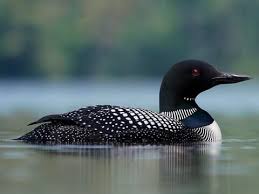
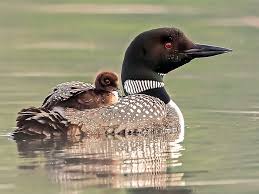
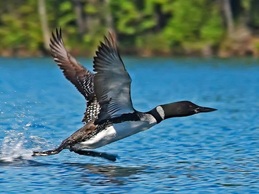
The Common Loon is one of the most iconic symbols of wilderness in North America, known for its haunting and melodic calls that echo across northern lakes. These striking waterbirds are easily recognized by their distinctive black and white checkered plumage during breeding season and their piercing red eyes. Loons are exceptional divers, capable of plunging to depths of over 200 feet in search of fish, their primary food source. Their dense bones and powerful legs positioned far back on their bodies make them incredibly efficient swimmers, though this same adaptation makes them awkward on land, where they can barely walk.
Loons require pristine, clear lakes with abundant fish populations and undisturbed shorelines for nesting. They typically lay one to two eggs on floating nests built near the water's edge, and both parents share incubation duties. Climate change, habitat loss, and water pollution pose significant threats to loon populations, making conservation efforts critical. In many regions, including Michigan's Upper Peninsula, loons serve as important indicators of ecosystem health. Their presence signals clean water and healthy fish populations, making them beloved by nature enthusiasts and outdoor recreationists who cherish the wild places these magnificent birds call home.
|
|
|
|